Solar Panels Scotland Guide 2026
Quick answer
This step-by-step guide walks Scottish homeowners through going solar: checking suitability, sizing a system, choosing equipment, understanding paperwork and getting the most from your system once it is running. We install through MCS-certified partners across Scotland. Savings depend on your roof, usage and tariff, and a no-obligation survey gives figures for your home.
Last updated:
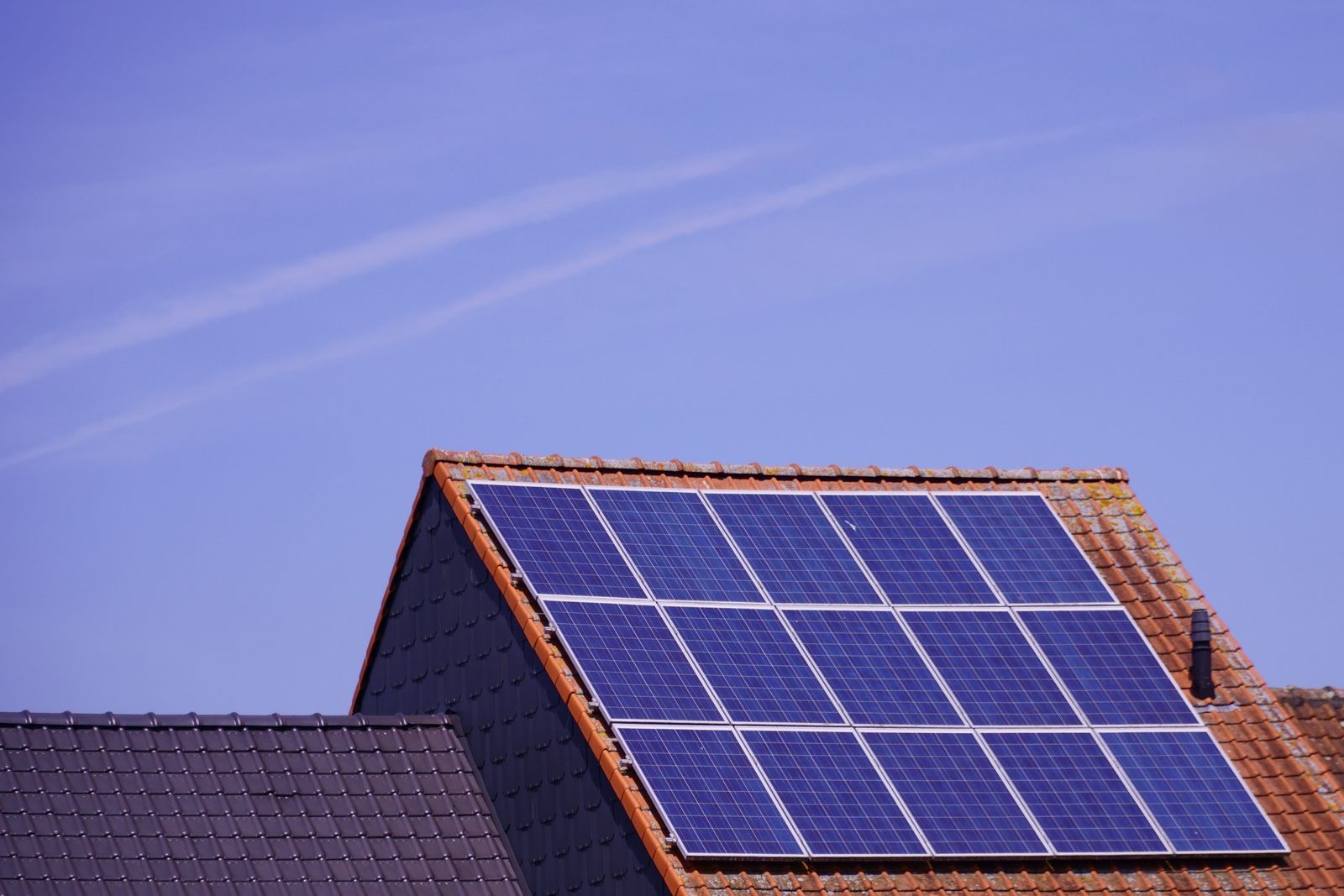
This step-by-step guide walks Scottish homeowners through going solar: checking suitability, sizing a system, choosing equipment, understanding paperwork and getting the most from your system once it is running.
Step 1: Check your electricity use
Look at your yearly electricity use on a bill or app. This, along with when you use it, shapes the system size and whether a battery makes sense.
Step 2: Check your roof
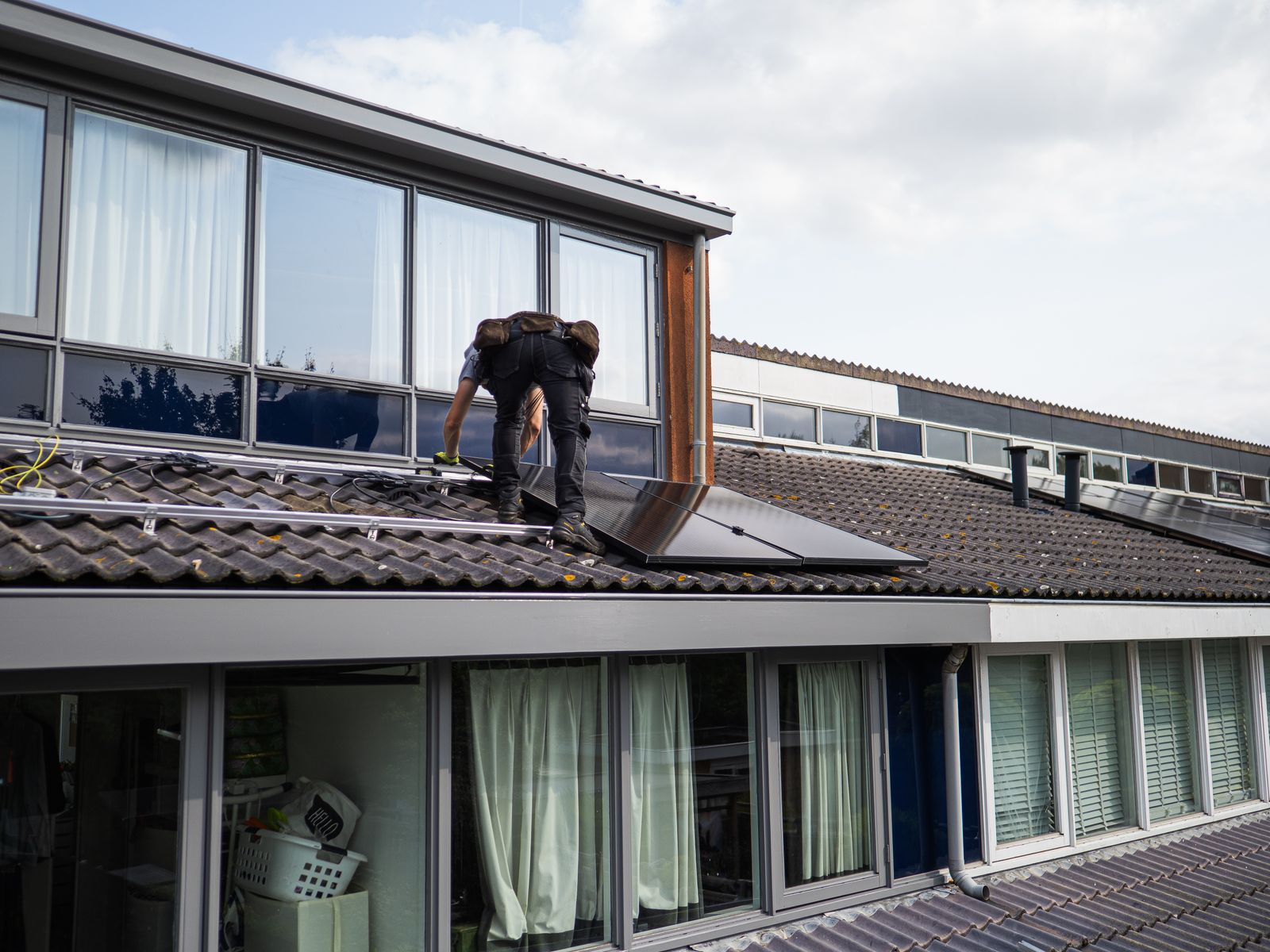
Orientation, pitch, shading and roof condition decide how many panels fit and how much they produce. Flats and listed buildings need extra checks.
Step 3: Choose equipment
Compare panel efficiency, inverter type (string, hybrid or microinverters) and battery capacity. Hybrid inverters make adding a battery straightforward.
Step 4: Paperwork and export
Your installer handles the network notification (G98) or application (G99) and issues an MCS certificate. With these, you can apply for a Smart Export Guarantee tariff. Solar panels and batteries are 0% VAT until March 2027.
Solar on Scottish roofs
Scottish roofs vary more than most. Sandstone tenements in Glasgow and Edinburgh often have natural slate on steep pitches with valley gutters and rear slopes facing back greens. Granite houses in Aberdeen and the north-east frequently have dormers and chimneys that cast shade. Interwar and post-war council-built homes usually have concrete interlocking tiles that are straightforward to work on, while newer estates around Livingston, Dunfermline and Inverness tend to have simple gable roofs that suit a neat array.
Fixings are chosen for the roof covering and for the wind exposure of the site, which matters on the west coast, in the islands and on high ground. A survey also checks the roof timbers and slate condition before any panels go up, because it is far easier to fix a roof problem before an installation than afterwards.
How our survey works
Every project starts with a no-obligation survey. We look at your roof orientation, pitch, shading and condition, your fuse board and meter position, where a battery or inverter could go, and how your household uses electricity through the day and across the Scottish seasons. You then receive a written quote showing the equipment, the expected generation for your roof and the full price, so you can compare it fairly. We handle the network connection paperwork with your local distribution network operator, which is SP Energy Networks in central and southern Scotland and SSEN in the north, Highlands and islands. We install through MCS-certified partners. Solar panels and batteries are 0% VAT until March 2027. Finance available, subject to status.
Frequently asked questions
How long does installation take?
Usually one to three days on site for a home.
Do panels need planning permission?
Usually not for houses, but listed buildings and conservation areas can differ.
What maintenance do panels need?
Very little. Monitor output through your app.
Related guides
Get your solar and battery quote
Tell us about your home and we will arrange a survey and a written, no-obligation quote. Finance available, subject to status.