Why We Don't Sell Solar Panels Without Batteries
Quick answer
We usually recommend pairing solar panels with a battery for Scottish homes. This page explains why, based on when Scottish households use electricity and when solar generates it, and the cases where solar alone can still make sense. We install through MCS-certified partners across Scotland.
Last updated:
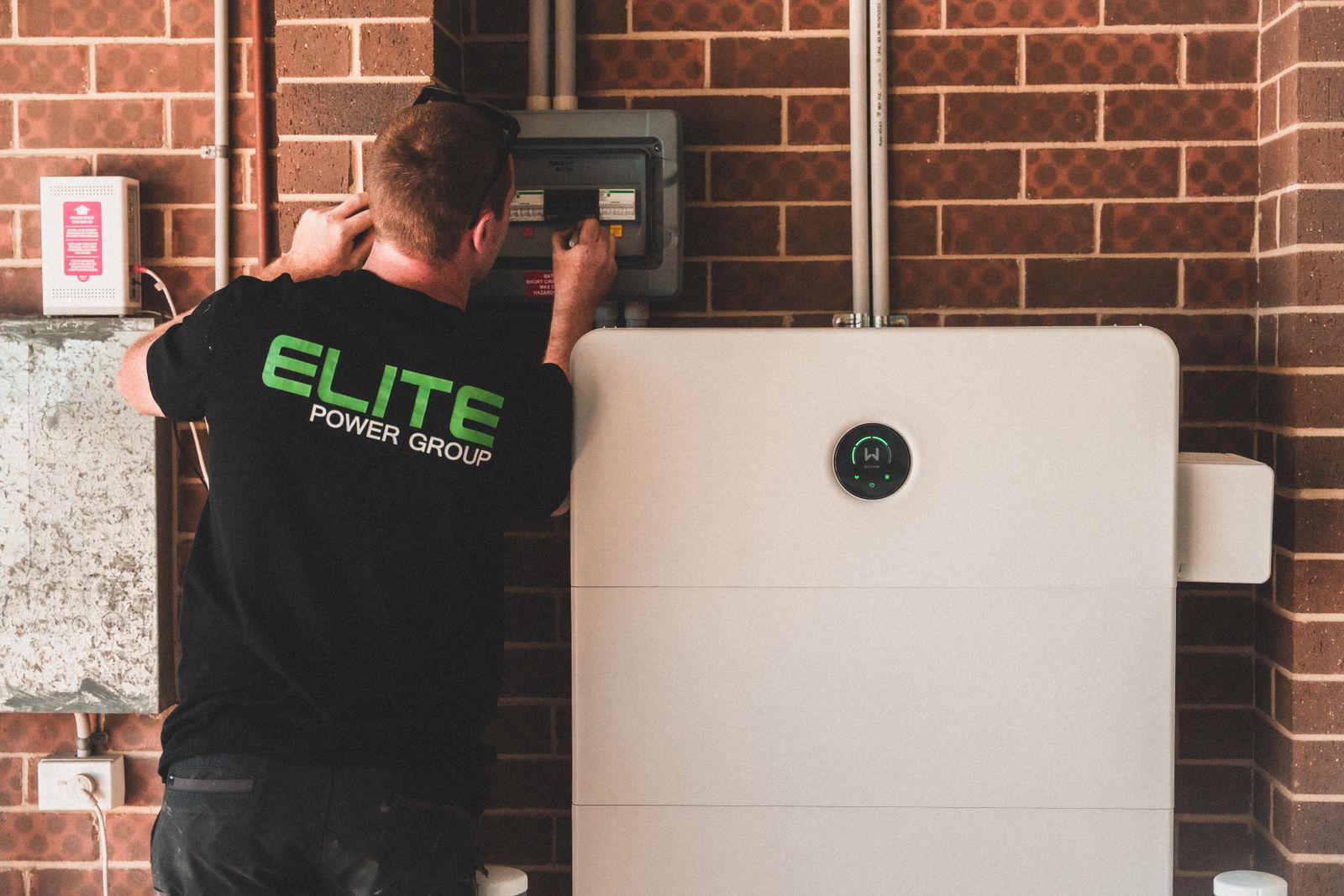
We usually recommend pairing solar panels with a battery for Scottish homes. This page explains why, based on when Scottish households use electricity and when solar generates it, and the cases where solar alone can still make sense.
The timing mismatch
Solar generates most around midday and in summer. Most households use more electricity in the early morning, evening and winter. Without a battery, much of the midday generation is exported rather than used at home.

Winter use
From November to February, Scottish solar output is low. A battery can charge from the grid on cheaper overnight rates, so it stays useful when the panels are quiet.
When solar alone works
Households at home during the day, businesses with daytime demand, or those with tight budgets may start with solar alone and add a battery later. Choosing a battery-ready hybrid inverter keeps that option open.
Solar panels and batteries are 0% VAT until March 2027.
Batteries and tariffs in a Scottish home
Scottish solar output is strongly seasonal: long bright days in May and June, and very short days in December. That makes a battery useful all year round. In summer it stores the afternoon surplus for the evening, and in winter it can charge on a cheaper overnight time-of-use rate so the home avoids peak-time import.
Where the battery goes matters in Scotland. Unheated garages, sheds and outbuildings in Aberdeenshire, the Highlands or the Borders can fall below freezing, so the chosen battery must cope with that temperature range or be placed indoors in a utility room, cupboard or heated garage. Your installer also confirms the connection with the local network operator, SP Energy Networks in central and southern Scotland or SSEN in the north and islands, and sets up the inverter schedule for the tariff you choose.
How our survey works
Every project starts with a no-obligation survey. We look at your roof orientation, pitch, shading and condition, your fuse board and meter position, where a battery or inverter could go, and how your household uses electricity through the day and across the Scottish seasons. You then receive a written quote showing the equipment, the expected generation for your roof and the full price, so you can compare it fairly. We handle the network connection paperwork with your local distribution network operator, which is SP Energy Networks in central and southern Scotland and SSEN in the north, Highlands and islands. We install through MCS-certified partners. Solar panels and batteries are 0% VAT until March 2027. Finance available, subject to status.
Frequently asked questions
Do you install solar without a battery?
Yes, when it suits the household. We explain the trade-offs honestly.
Can I add a battery later?
Yes, and a hybrid inverter makes it simpler.
What size battery do I need?
It depends on your evening and overnight use.
Related guides
Get your solar and battery quote
Tell us about your home and we will arrange a survey and a written, no-obligation quote. Finance available, subject to status.