When to Replace Your Windows
Quick answer
Knowing when to replace windows saves money and avoids unnecessary work. This guide covers the signs of failing windows and the rules for listed buildings in Scotland. We install through MCS-certified partners across Scotland. Savings depend on your roof, usage and tariff, and a no-obligation survey gives figures for your home.
Last updated:
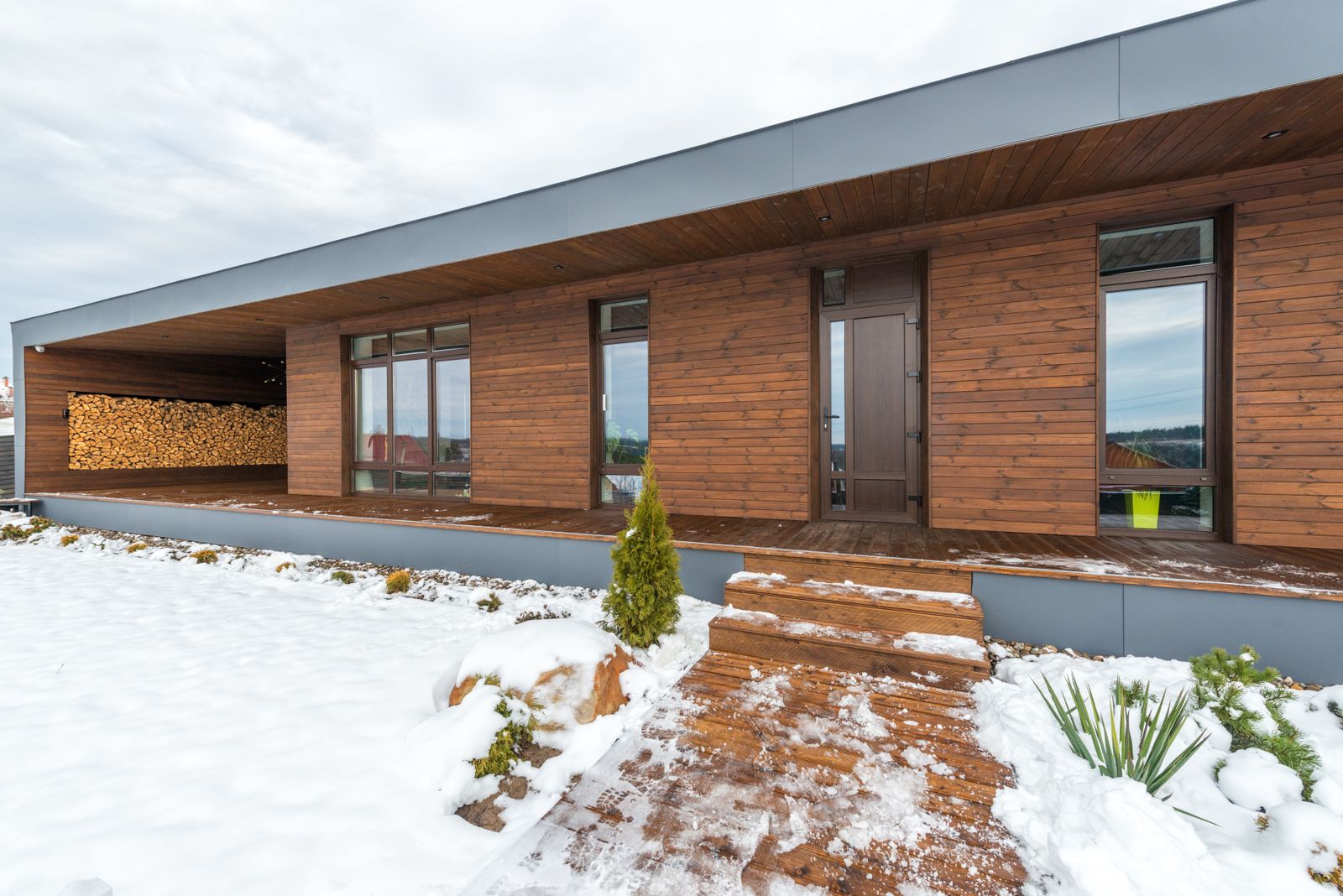
Knowing when to replace windows saves money and avoids unnecessary work. This guide covers the signs of failing windows and the rules for listed buildings in Scotland.
Signs of failure
Condensation between panes, rotten frames, persistent draughts and broken mechanisms.
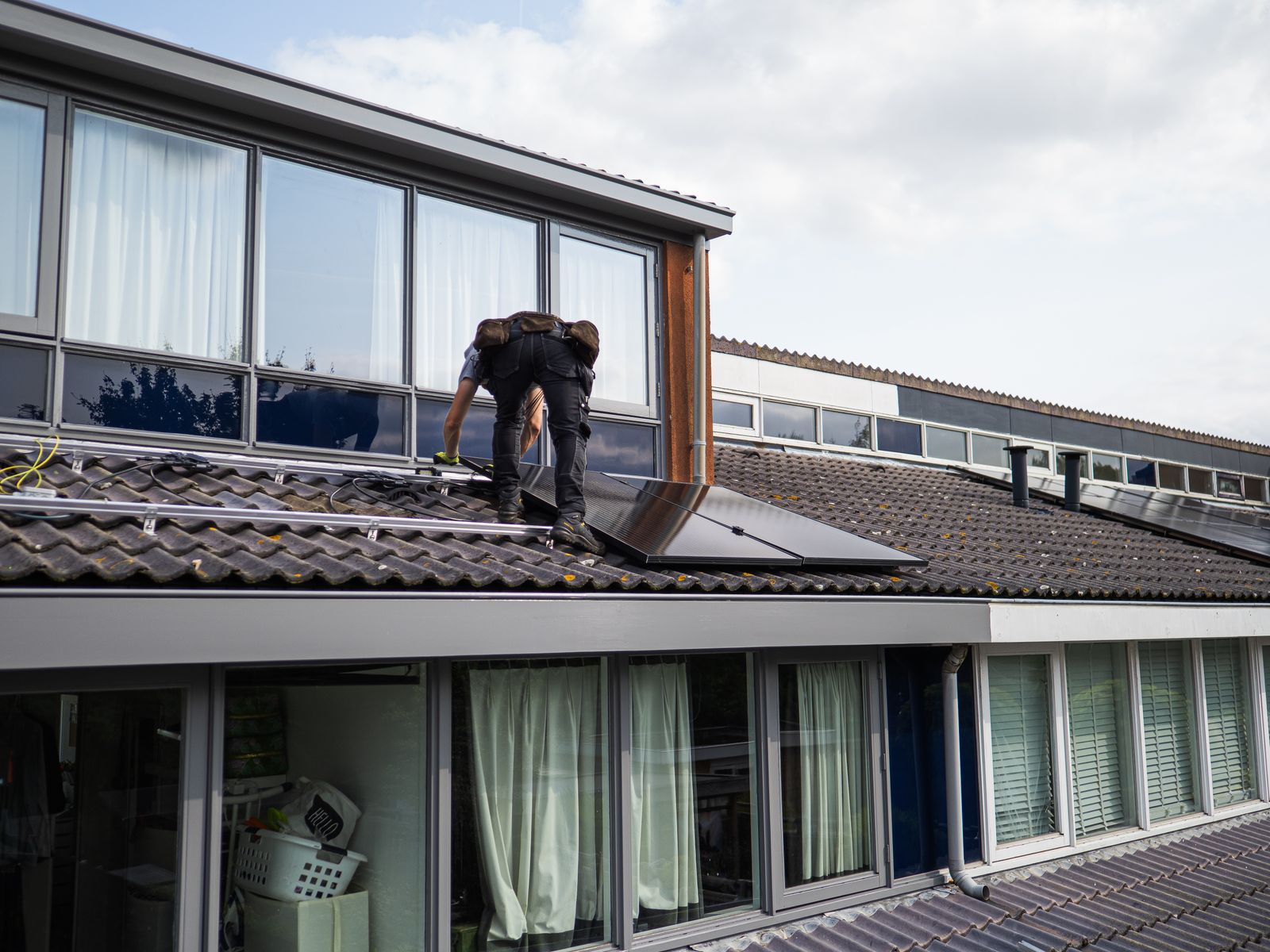
Repair or replace
Timber sash windows can often be refurbished.
Consent
Listed buildings and conservation areas usually need consent.
Refurbishment options
Traditional sash and case windows can often be overhauled with new cords, draught-stripping, repaired timber and secondary glazing or slim double-glazed units. This can keep the character of a tenement or townhouse while reducing draughts. Where frames are rotten through or units have failed repeatedly, replacement may make more sense.
Timing replacements
Spring and summer are the easiest seasons for window work in Scotland, as rooms are open to the weather for shorter periods. If you also plan solar, roof or render work, combining scaffolding can reduce disruption.
Scottish housing and heat loss
Scotland's homes include solid sandstone and granite tenements, rubble-built cottages, interwar cavity-wall houses, post-war no-fines concrete and timber-framed homes, and modern estates. Each loses heat differently. Solid stone walls need breathable approaches, often internal insulation with care around damp. Cavity walls can often be filled, though driving rain on exposed west-facing elevations needs to be considered. Timber kit homes usually benefit most from loft top-ups and draught-proofing.
Windows and doors are a large share of heat loss in older homes, especially original single-glazed sash and case windows. Conservation areas and listed buildings in places such as Edinburgh New Town, Stirling and many town centres have rules about what can be changed, so check with your council before ordering replacements.
How our survey works
Every project starts with a no-obligation survey. We look at your roof orientation, pitch, shading and condition, your fuse board and meter position, where a battery or inverter could go, and how your household uses electricity through the day and across the Scottish seasons. You then receive a written quote showing the equipment, the expected generation for your roof and the full price, so you can compare it fairly. We handle the network connection paperwork with your local distribution network operator, which is SP Energy Networks in central and southern Scotland and SSEN in the north, Highlands and islands. We install through MCS-certified partners. Solar panels and batteries are 0% VAT until March 2027. Finance available, subject to status.
Frequently asked questions
Can I replace one pane?
Often, yes.
Are uPVC windows allowed?
Not always in conservation areas.
Do I need a building warrant?
Check with your council.
Related guides
Get your solar and battery quote
Tell us about your home and we will arrange a survey and a written, no-obligation quote. Finance available, subject to status.