Solar Output in Scottish Weather
Quick answer
Solar output in Scotland follows the seasons closely. Knowing what to expect month by month helps you size a system sensibly, decide whether a battery is worthwhile and read your monitoring app without worrying about every grey week. We install through MCS-certified partners across Scotland.
Last updated:
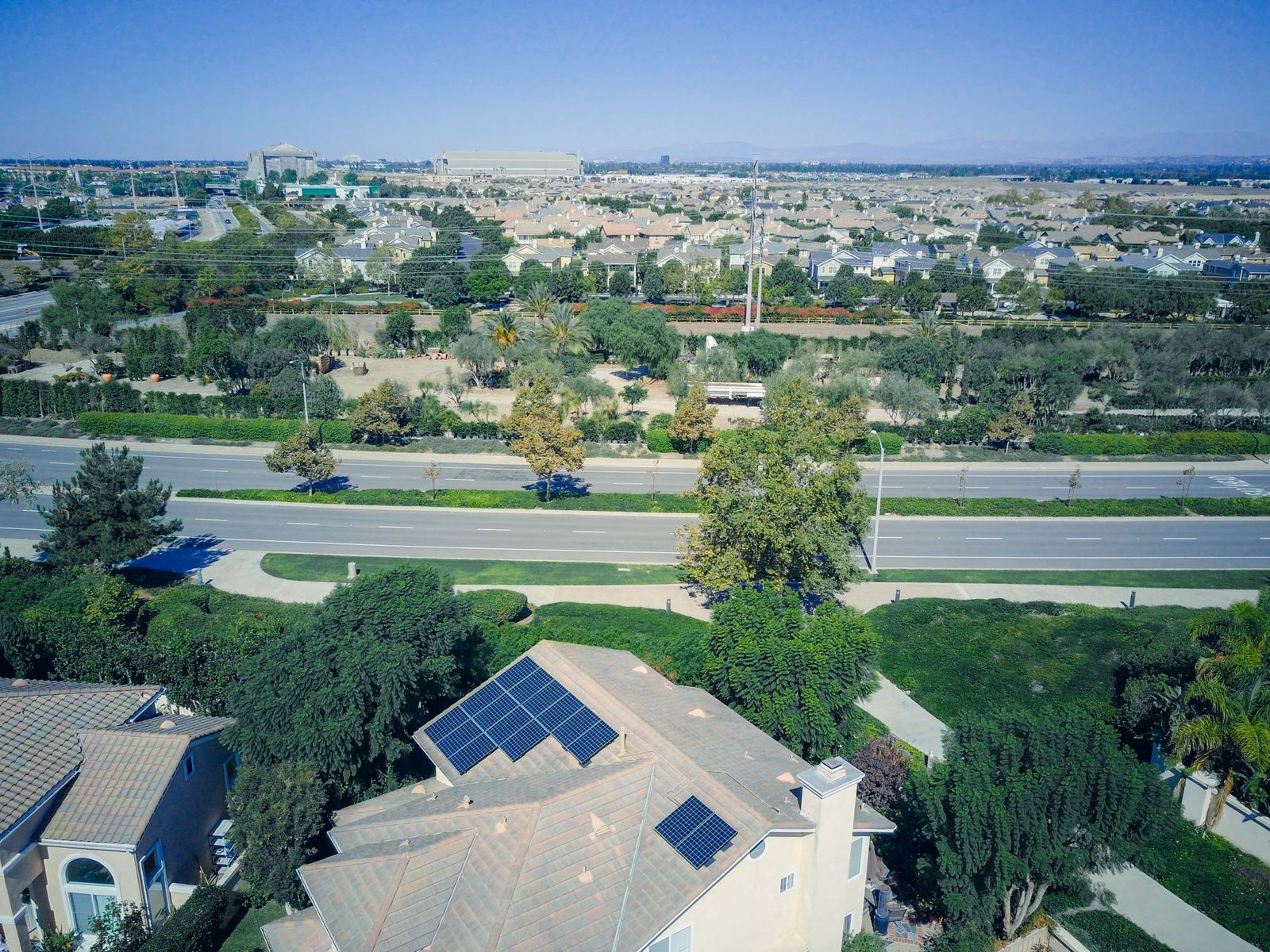
Solar output in Scotland follows the seasons closely. Knowing what to expect month by month helps you size a system sensibly, decide whether a battery is worthwhile and read your monitoring app without worrying about every grey week.
Spring
From March, days lengthen quickly and output climbs. April and May are often among the best months in Scotland because skies can be clear and temperatures are cool, which helps panel efficiency.

Summer
June and July bring the longest days, with generation starting early in the morning and running late into the evening. East and west-facing roofs do particularly well at this time of year. Showery weather on the west coast keeps panels clean.
Autumn and winter
Output falls steadily from September. From November to January, short days and a low sun mean generation is a small fraction of the summer level, and hills or buildings to the south can block the sun entirely on some roofs. This is when a battery charged on cheaper overnight rates earns its keep.
Wind, rain and snow
Rain does not harm panels and helps clean them. High winds affect fixing design rather than output, which is why exposed coastal and island sites need appropriate frames and fixings. Snow can cover panels briefly but rarely lies on tilted panels for long.
Solar on Scottish roofs
Scottish roofs vary more than most. Sandstone tenements in Glasgow and Edinburgh often have natural slate on steep pitches with valley gutters and rear slopes facing back greens. Granite houses in Aberdeen and the north-east frequently have dormers and chimneys that cast shade. Interwar and post-war council-built homes usually have concrete interlocking tiles that are straightforward to work on, while newer estates around Livingston, Dunfermline and Inverness tend to have simple gable roofs that suit a neat array.
Fixings are chosen for the roof covering and for the wind exposure of the site, which matters on the west coast, in the islands and on high ground. A survey also checks the roof timbers and slate condition before any panels go up, because it is far easier to fix a roof problem before an installation than afterwards.
How our survey works
Every project starts with a no-obligation survey. We look at your roof orientation, pitch, shading and condition, your fuse board and meter position, where a battery or inverter could go, and how your household uses electricity through the day and across the Scottish seasons. You then receive a written quote showing the equipment, the expected generation for your roof and the full price, so you can compare it fairly. We handle the network connection paperwork with your local distribution network operator, which is SP Energy Networks in central and southern Scotland and SSEN in the north, Highlands and islands. We install through MCS-certified partners. Solar panels and batteries are 0% VAT until March 2027. Finance available, subject to status.
Frequently asked questions
Which month generates the most?
Usually May, June or July, depending on the weather that year.
Should I worry about a poor week?
No. Look at monthly and yearly totals rather than individual days.
Do cold temperatures help?
Yes. Panels are more efficient when cool.
Related guides
Get your solar and battery quote
Tell us about your home and we will arrange a survey and a written, no-obligation quote. Finance available, subject to status.