Octopus Flux vs Agile
Quick answer
Octopus Flux and Octopus Agile are two time-of-use tariffs that often come up for solar and battery owners. This guide compares how they are structured and who each tends to suit. Rates change, so always check current terms with Octopus before switching. We install through MCS-certified partners across Scotland.
Last updated:
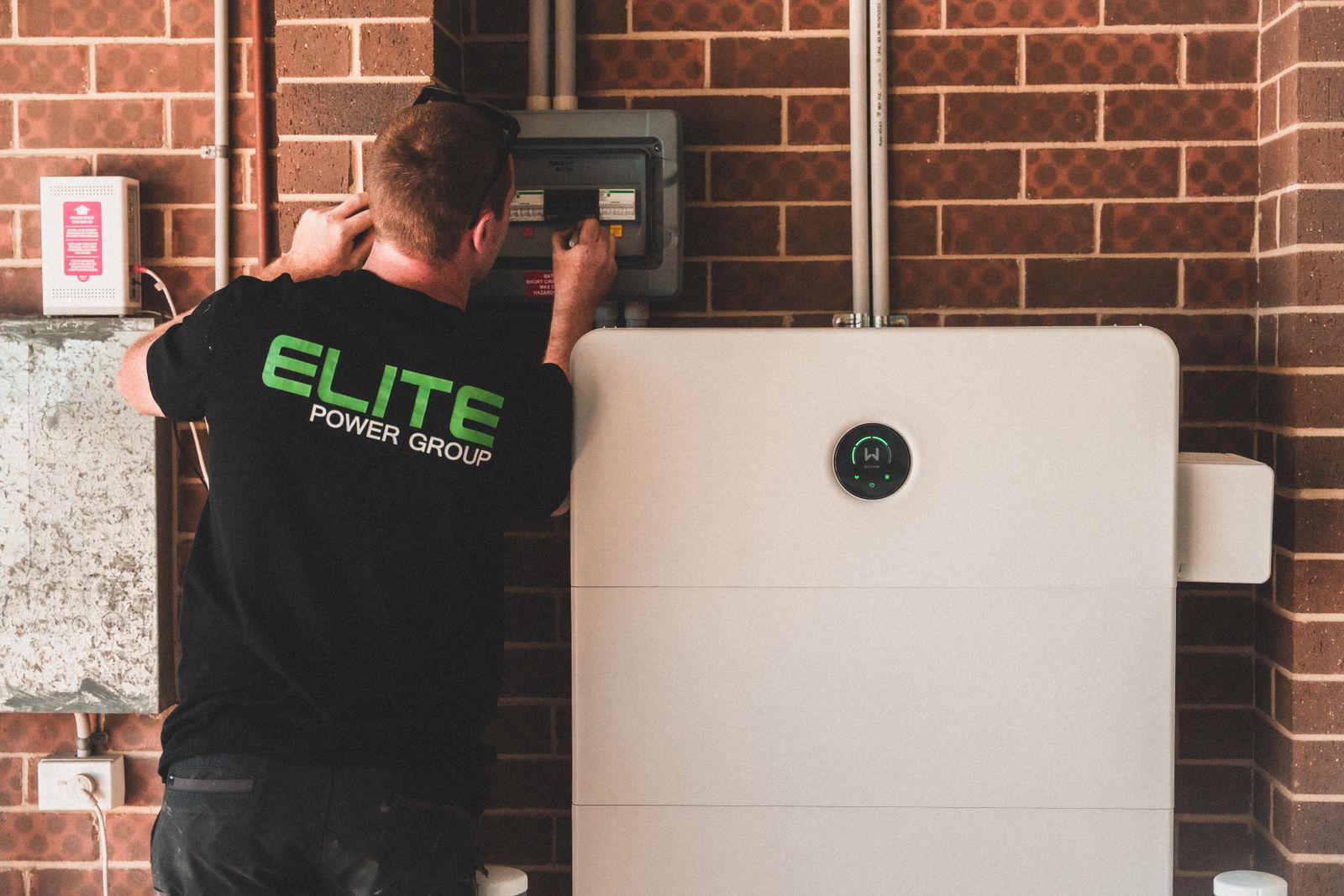
Octopus Flux and Octopus Agile are two time-of-use tariffs that often come up for solar and battery owners. This guide compares how they are structured and who each tends to suit. Rates change, so always check current terms with Octopus before switching.
How Flux is structured
Flux has three fixed time bands each day: a cheaper overnight period, a standard daytime period and a more expensive late afternoon peak. Import and export prices follow the same pattern, which suits battery owners who can charge cheaply overnight and export or avoid import at peak.

How Agile is structured
Agile prices change every half hour, following wholesale prices. Prices are published a day ahead. There can be very cheap periods, and occasionally negative prices, but also expensive spikes. It suits people who are comfortable automating their battery and appliances around changing prices.
Which might suit you
If you prefer predictability, Flux's fixed bands are easier to plan around. If you are comfortable with variable prices and automation, Agile may suit you. Check equipment requirements and smart meter needs for both.
Batteries and tariffs in a Scottish home
Scottish solar output is strongly seasonal: long bright days in May and June, and very short days in December. That makes a battery useful all year round. In summer it stores the afternoon surplus for the evening, and in winter it can charge on a cheaper overnight time-of-use rate so the home avoids peak-time import.
Where the battery goes matters in Scotland. Unheated garages, sheds and outbuildings in Aberdeenshire, the Highlands or the Borders can fall below freezing, so the chosen battery must cope with that temperature range or be placed indoors in a utility room, cupboard or heated garage. Your installer also confirms the connection with the local network operator, SP Energy Networks in central and southern Scotland or SSEN in the north and islands, and sets up the inverter schedule for the tariff you choose.
How our survey works
Every project starts with a no-obligation survey. We look at your roof orientation, pitch, shading and condition, your fuse board and meter position, where a battery or inverter could go, and how your household uses electricity through the day and across the Scottish seasons. You then receive a written quote showing the equipment, the expected generation for your roof and the full price, so you can compare it fairly. We handle the network connection paperwork with your local distribution network operator, which is SP Energy Networks in central and southern Scotland and SSEN in the north, Highlands and islands. We install through MCS-certified partners. Solar panels and batteries are 0% VAT until March 2027. Finance available, subject to status.
Frequently asked questions
Do I need solar for Flux?
Check current eligibility terms, which have included solar or battery requirements.
Can I switch between them?
Usually, subject to Octopus's terms.
Do these tariffs work in Scotland?
Yes, though regional rates differ.
Related guides
Get your solar and battery quote
Tell us about your home and we will arrange a survey and a written, no-obligation quote. Finance available, subject to status.