Best Home Battery Storage Systems UK 2026
Quick answer
Choosing a home battery means comparing usable capacity, power output, warranty terms and how the battery fits with your inverter and tariff. This page explains what to compare so you can understand the battery options in your quote, rather than ranking brands on marketing claims.
Last updated:
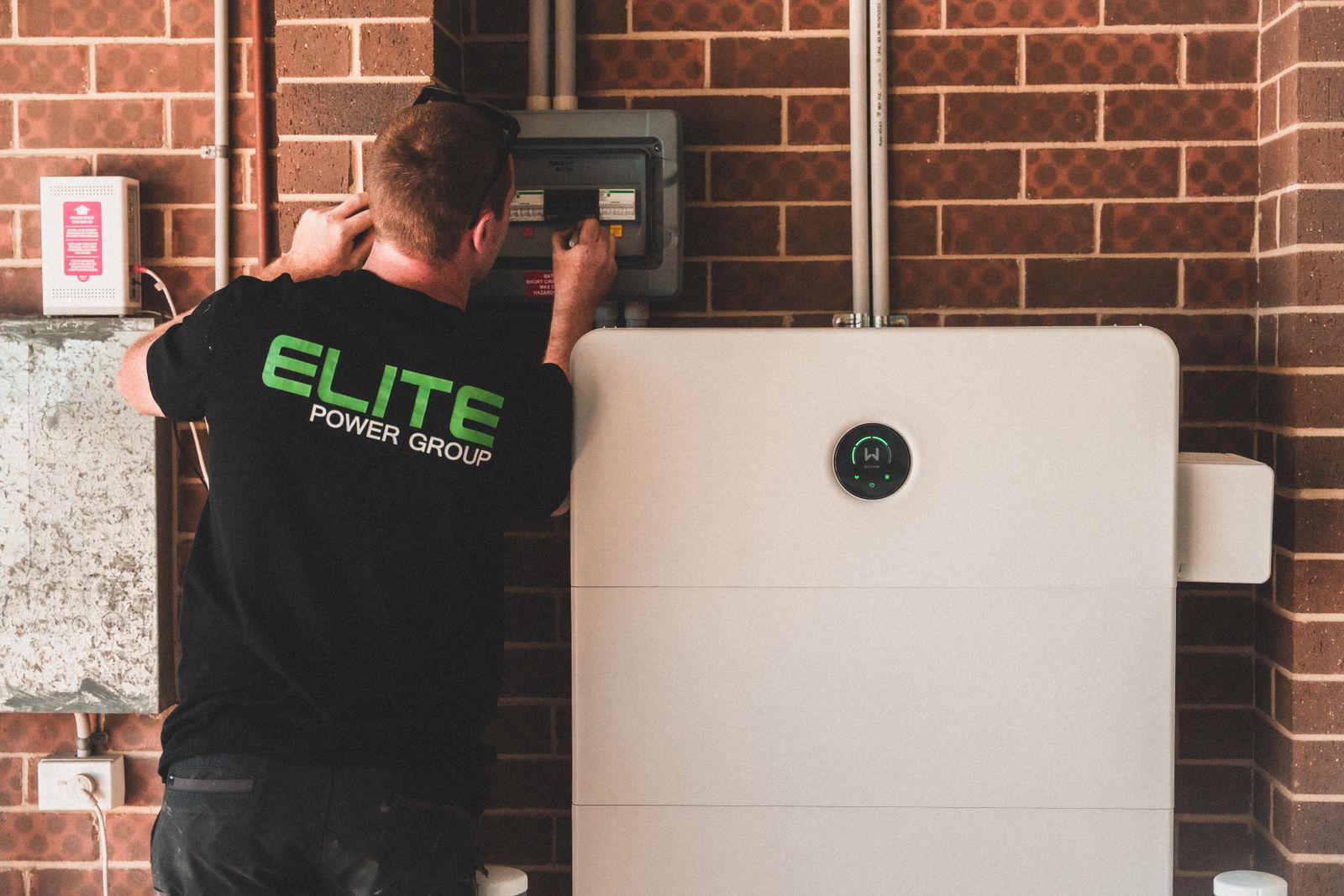
Choosing a home battery means comparing usable capacity, power output, warranty terms and how the battery fits with your inverter and tariff. This page explains what to compare so you can understand the battery options in your quote, rather than ranking brands on marketing claims.
Usable capacity and power
Usable capacity, in kWh, is how much energy you can actually draw from the battery. Power output, in kW, is how quickly it can supply it. A battery with good capacity but low power may not cover a kettle, oven and shower running together.
Chemistry and location
Most home batteries use lithium iron phosphate (LFP) chemistry, which is stable and long-lasting. Batteries have operating temperature limits, so an unheated garage in northern Scotland may need a unit that manages cold conditions.
Warranty and compatibility
Warranties are usually around 10 years but differ on throughput limits and retained capacity. Check whether the battery works with your existing inverter and whether it can be expanded later. Some tariffs only support certain brands.
Home batteries are 0% VAT until March 2027.
Batteries and tariffs in a Scottish home
Scottish solar output is strongly seasonal: long bright days in May and June, and very short days in December. That makes a battery useful all year round. In summer it stores the afternoon surplus for the evening, and in winter it can charge on a cheaper overnight time-of-use rate so the home avoids peak-time import.
Where the battery goes matters in Scotland. Unheated garages, sheds and outbuildings in Aberdeenshire, the Highlands or the Borders can fall below freezing, so the chosen battery must cope with that temperature range or be placed indoors in a utility room, cupboard or heated garage. Your installer also confirms the connection with the local network operator, SP Energy Networks in central and southern Scotland or SSEN in the north and islands, and sets up the inverter schedule for the tariff you choose.
How our survey works
Every project starts with a no-obligation survey. We look at your roof orientation, pitch, shading and condition, your fuse board and meter position, where a battery or inverter could go, and how your household uses electricity through the day and across the Scottish seasons. You then receive a written quote showing the equipment, the expected generation for your roof and the full price, so you can compare it fairly. We handle the network connection paperwork with your local distribution network operator, which is SP Energy Networks in central and southern Scotland and SSEN in the north, Highlands and islands. We install through MCS-certified partners. Solar panels and batteries are 0% VAT until March 2027. Finance available, subject to status.
Frequently asked questions
Which is the best battery?
The best battery is the one that suits your usage, inverter, tariff and installation location.
Can batteries be stacked?
Many modular batteries can be expanded by adding units, if the inverter supports it.
Do batteries need servicing?
Very little, but firmware updates and periodic checks are recommended.
Related guides
Get your solar and battery quote
Tell us about your home and we will arrange a survey and a written, no-obligation quote. Finance available, subject to status.